/filters:format(jpeg,png)/fit-in/300x300/guide_websites/187/images/17594136611915f99a8c3818e78b8bd7508f2_madisonvalleyranch_logo-round-1.png)
/filters:format(jpeg,png)/fit-in/237x80/guide_websites/187/images/17594136611915f99a8c3818e78b8bd7508f2_madisonvalleyranch_logo-round-1.png)
Catfish Fishing in Marathon - What to Expect
Catfish Fishing in Marathon - Local Waters Explored
%2F%2Fusers%2F82c7d53d-589d-423b-9e8b-f4f2c568a2a6%2Fimages%2Fcatfish-swimming-underwater-marathon-fishing-3954.png&w=1920&q=75)
Fishing Charter by Captain Sean Fagan in July
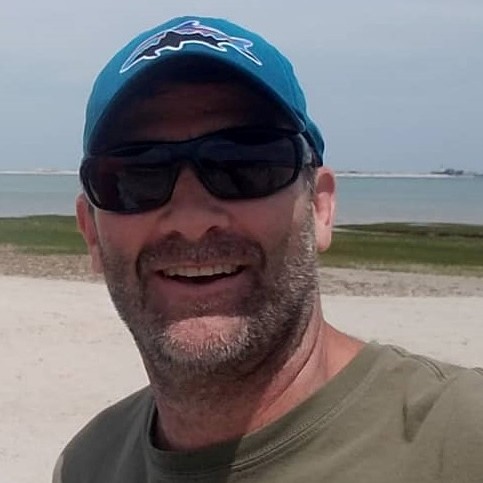
Meet your Captain Sean Fagan
- Oldest fly fishing guide around!!!


Summary
Join Captain Sean Fagan on a Tuesday in July for an unforgettable fishing charter in Marathon. This guided fishing experience targets catfish and other species in the waters around Marathon and Everglades City. Discover what makes this location ideal for bottom fishing and learn techniques from a seasoned guide.
Fishing Charter with Captain Sean Fagan - Rates & Booking
Captain Sean Fagan of Fly To Fish Guide Service offers fishing charters on Tuesday, July 21st in the Marathon and Everglades City area. These guided fishing trips provide an authentic opportunity to target catfish and explore the unique saltwater ecosystem of South Florida. To reserve your spot and learn about current rates and trip details, contact Fly To Fish Guide Service directly for availability and booking information.
Highlights of Your Fishing Experience
Fishing in Marathon and the surrounding waters presents excellent opportunities for anglers seeking catfish. The shallow flats and deeper channels create diverse habitat where catfish thrive. Captain Fagan's local expertise helps you locate productive fishing grounds and understand how environmental conditions influence fish behavior throughout the day.
The combination of tidal movements, seasonal water temperatures, and abundant food sources makes this region productive for catfish fishing. Learning to read the water and identify where catfish congregate is part of what makes guided fishing trips valuable.
Local Catfish Insights
Catfish are bottom-feeding fish known for their sensory whiskers, called barbels, which help them detect food and navigate murky water. These whiskers are highly sensitive and allow catfish to hunt effectively in low-light conditions and turbid water. The spotted patterns visible on many catfish serve as natural camouflage in sandy and muddy bottoms.
In Marathon's waters, catfish inhabit various depth zones depending on season and time of day. They prefer areas with structure such as drop-offs, channel edges, and debris where they can ambush prey. Understanding catfish habitat preferences helps anglers position themselves in productive zones. Catfish are most active during low-light periods - early morning, late afternoon, and nighttime - though they can be caught throughout the day.
These fish are opportunistic feeders that consume smaller fish, crustaceans, and organic matter. They use their barbels to taste and detect food particles suspended in the water column. Catfish can grow quite large, and the specimens found in South Florida's saltwater and brackish systems offer exciting fishing opportunities for anglers of all skill levels.
Captain Fagan's knowledge of local catfish behavior, seasonal patterns, and productive techniques translates into better fishing success. Whether you're targeting channel catfish or other species common to the area, understanding their habits improves your ability to connect with fish and enjoy a rewarding day on the water.